

Studying abroad is something I always wanted to do. I’d get to live in a new country (even for just a few weeks), meet new people, immerse myself in new cultures, delve deep into rich histories, learn a new language, explore new cities, and cultivate new skills, all while earning academic credits. It felt like a dream! One that, I’ll be honest, seemed out of reach for a long time.
My name is Madison. I come from a middle-class family in Birmingham, Alabama, so I knew I’d have to work hard to save money for my trip. During my first year studying Business Management at Jefferson State, I took odd jobs at coffee shops and restaurants. My goal was to spend a summer in Costa Rica improving my Spanish and participating in a business-related internship. I spent weeks researching different organizations, looking for one that aligned with both my goals and my budget. After reading many positive reviews about Maximo Nivel, I decided to join their summer study abroad program in San Jose, Costa Rica for 8 weeks—that’s 4 weeks of Spanish immersion followed by a 4-week micro-business internship.
I was overcome with excitement—this would be my first time traveling outside of the US on my own. Then, just 1 week before leaving, that joy suddenly turned to panic. Feeling a little anxious about what to expect, I hopped on Reddit in search of a community and some answers to ease my concerns. I found answers, alright. While some gave me clarity, most left me feeling even more confused and afraid.
Thread after thread confirmed everything I was quietly worrying about: What if my credits do not transfer? What if I get sick? What if my basic Spanish leaves me completely isolated? What if I have made a giant mistake? What if this whole thing is a scam?
It’s been 3 years since I completed my program with Maximo Nivel, and looking back, many of the potential challenges I was worried about were easily resolved once I knew where to go, what to do, and who to talk to.
If you’re currently sitting in that same spiral of study-abroad anxiety, I want to share my experience with you, including the challenges I faced and how I overcame them. Hope this helps someone :)
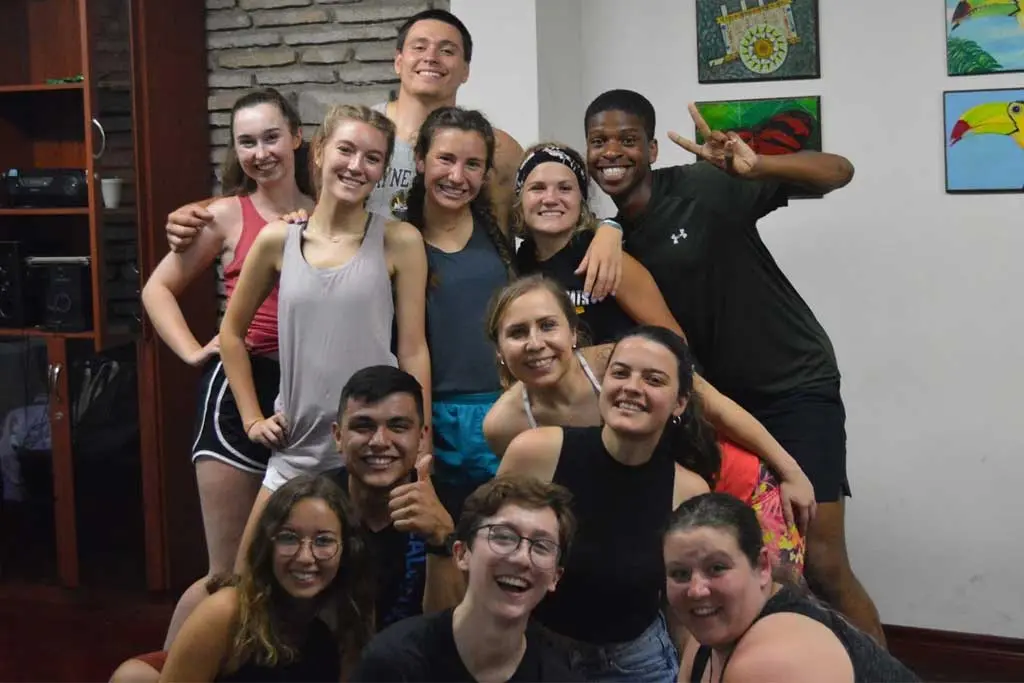
Pre-Departure Anxiety & Arrival Panic
If this is your first time traveling overseas, it’s normal to feel a little anxious—you’re leaving behind your friends, family, and daily routine for something completely new and uncertain.
My strategy for dealing with anxiety has always been preparation. The more concrete information I have, the more grounded I feel. During my pre-departure research, I learned that where you get your information matters just as much as the answers.
So here’s my first tip: get advice from a reliable source. We’re living in the golden age of the internet and social media, and let’s be real, sometimes it’s easier to hop on a quick social media thread or ChatGPT for answers. While the information you receive might be valuable and relatable, it’s easy to fall into a cycle of doomscrolling—reading study abroad horror stories, unverified or outdated travel advice, or panicked posts from solo travelers who ventured abroad without local support.
The problem with online posts is that they often lack important context. Instead of losing hours falling down a rabbit hole, it’s more helpful to connect directly with the team actually running your program on the ground. With Maximo Nivel, this was easy because they offer pre-departure support to every participant.
In case you’re curious, here are some of the things they helped me with even before I left home: advice and assistance with travel documents, providing details on academic credits and the transfer process, and providing housing options, such as family-stays, student residence, and apartments.
The team also helped me select the best flights for my trip, which was great because I almost accidentally booked a flight to San Jose, California, instead of Costa Rica—apparently people make this mistake more often than you think!
All of this helped me feel a little more comfortable ahead of actually leaving home. What’s also great is I could connect with my Program Advisor at any time. So whenever a new question popped into my head, I had email, live chat, and Zoom calls to connect with them immediately.
The difference between reaching out to the organization on the ground versus just reading random blogs online is that I was getting verified, real-time advice straight from the Country Manager, Field Manager, and Academic Director at my campus in Costa Rica.
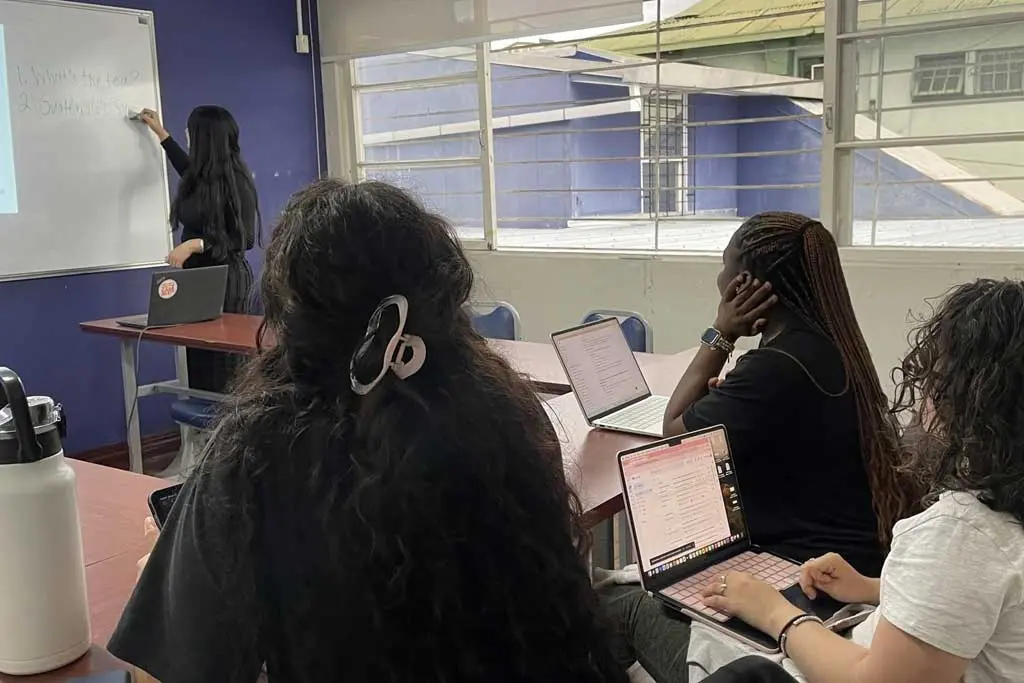
Figuring Out Academic Credits
The main reason I joined a study abroad program was to advance my academics and get university credits. Now imagine I put all of that time, effort, and money into a program only to find my credits could not be transferred. I would definitely freak out. So I understand why so many students stress about this online.
I even read one story of someone returning home to a bureaucratic nightmare because their study abroad organization couldn’t provide standardized course documentation for them to claim their credits.
I didn’t want to be in the same boat, so I made sure I got this sorted before leaving home. Thankfully, the Maximo Nivel team was able to quickly ease my concerns. I already knew their study abroad courses were credit-bearing, and learned I could transfer credits through their official School of Record to my university if I needed to.
This really came in handy because I hit a bit of a snag with my entrepreneurship internship as my university did not recognize credits for external internship programs at the time. I was able to earn these credits through Maximo’s School of Record, and my advisor signed off on my pre-approval forms for the Spanish course credits so I could get these through my school.
In the end, I got 6 overall credits for my coursework—3 for Spanish and 3 for my internship.
I should add that the process to get my credits approved was not as intense as I thought it would be. When I reached out to the Maximo Nivel team, I was put in touch with their Academic Director, who told me how everything would work.
We chatted about the course syllabi, how many verified contact hours I would get through my internship and Spanish program, and how I could transfer credits either directly to my home school’s Registrar or through their official School of Record.
To be extra sure I was on the right path, their Academic Director also offered to meet with my Faculty Advisor and my school’s study abroad office.
Making Friends
Even for someone as social as I am, the thought of feeling isolated in a foreign country is scary. I envisioned walking into a room full of students and making my way to the back of the class where I would sit alone all summer. Fortunately, that’s not the way it played out. A lot of the time, scenarios we create in our heads are much worse than reality.
The truth is, most students feel the exact way you do! They’re nervous, too. Once I realized this, making friends became much easier.
Having a physical campus to go to every day also helped a lot. The Maximo Nivel campus is open 7 days a week and became a natural hangout spot for many other participants and me. Side note: my favorite part was the snack bar with free coffee and tea ;)
Between my Spanish and internship coursework, and organized activities like cooking classes and salsa dance lessons, connections on campus happened organically. I didn’t have to force anything; just by showing up and participating in campus life, I was able to meet a global community of peers who shared my interests.
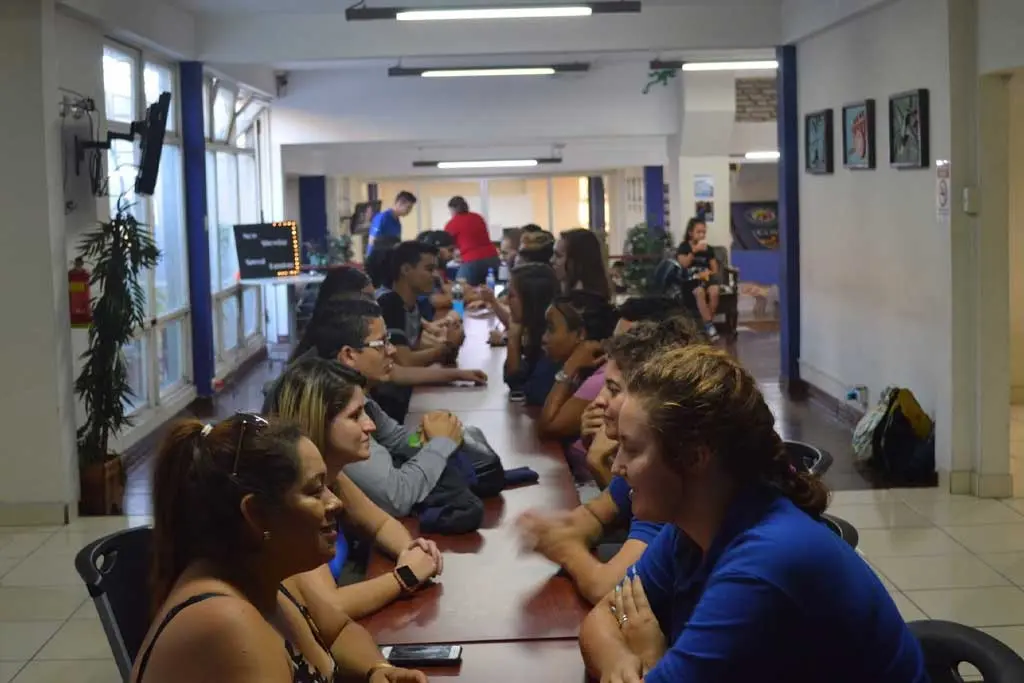
Here are a few more things I did to make socializing just a little easier.
1. Linger After Class: After a full day of coursework, it’s so easy to just rush back to your accommodation. However, in doing so, you’re missing out on a crucial socializing window. I made sure to spend at least 30 to 40 minutes after class just lingering around on campus. Grab a coffee, sit in a shared space, ask about another student’s projects—all of these things create room to build new friendships. Because Maximo Nivel offers such a wide variety of programs to international participants, I was able to meet so many people after class, including families who joined volunteering programs, locals who were part of the ESL school, solo travelers on a gap year, and service learning students from other universities around the world.
2. Connect Through Shared Language Struggles: One thing I was super nervous about was my Spanish not being up to scratch. I was scared I’d be lost in conversations and look foolish. Then I realized this was yet another opportunity to meet new people. Maximo Nivel has this cool conversation exchange program where they pair you with a local “Tico” English student to practice. I was able to continue improving my Spanish outside of my daily classes, and made some pretty good friends, too.
3. Join Organized Activities: Maximo Nivel creates great spaces for students to socialize. During my program, we had cooking classes, dance lessons, soccer tournaments, karaoke nights, and more. This is your golden ticket to friendship. It might feel a little awkward at first, but the more you put yourself out there, the easier it becomes. Plus, think of all the incredible stories you will get to tell when you return home!
4. Find Support at Your Homestay: I chose to go with a local homestay for my accommodation, and I’m glad I did. Living with a host family can feel intimidating at first, especially if you’re worried about language barriers. However, I found that a homestay is actually one of the best cures for social isolation.
My host mom, Cindy, had been hosting participants from Maximo Nivel since 2013. Because of this, she was very familiar with the adjustment process and provided a warm, comfortable environment for me from day 1.
I was also placed with Jessica, a student from England who joined a Maximo Nivel volunteer program for the summer, which gave me an instant buddy for my daily commute to campus.
5. Plan Shared Weekend Exploration
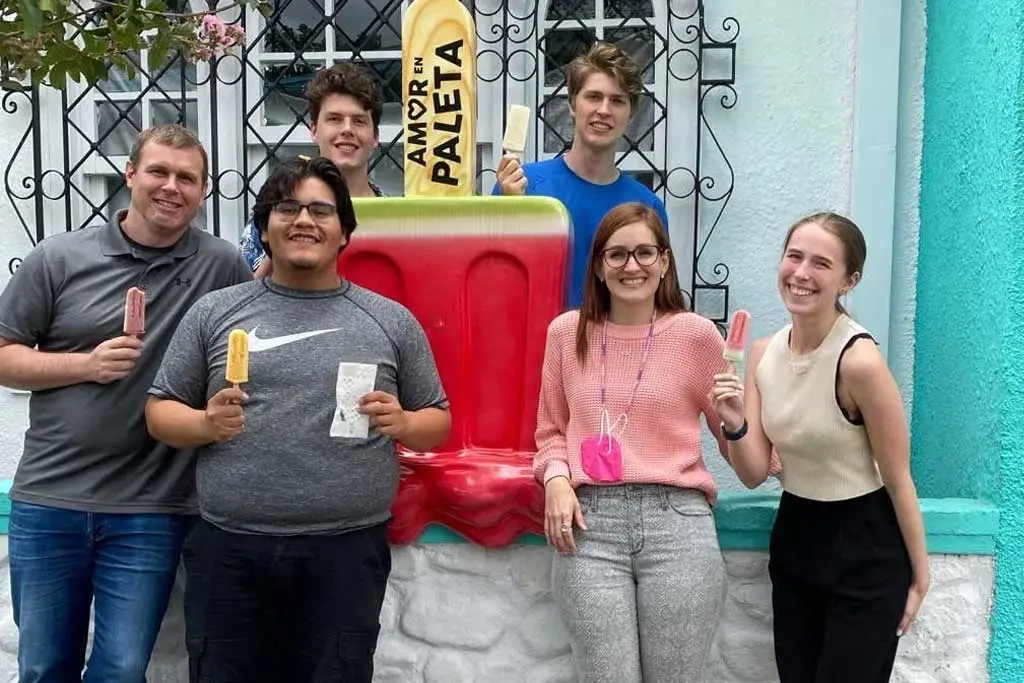
You don’t have to lead a massive weekend expedition to make friends. I’m talking about little suggestions like trying a restaurant together, exploring the city, getting ice cream, or hanging at the beach.
During my third weekend in San Jose, I asked a few students if they wanted to grab coffee and empanadas with me in Barrio Escalante, and that soon became our weekly tradition.
My point is, students are always looking for something fun to do on the weekend, and they would more than likely prefer to do it with friends. So don’t be afraid to propose a low-pressure group outing.
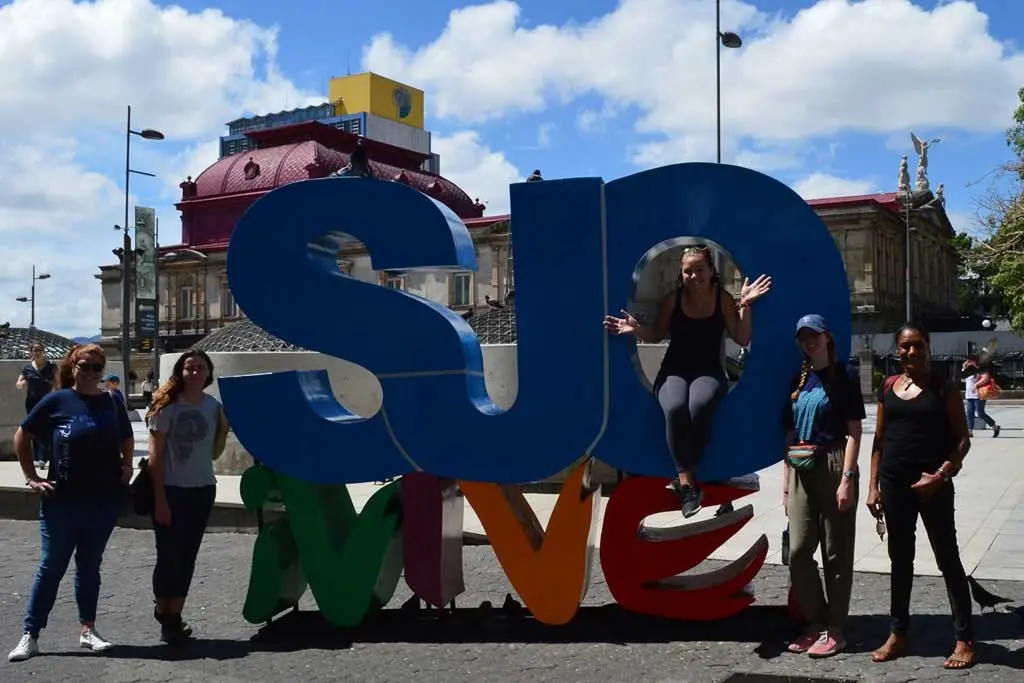
The Homestay Experience
I’ve already touched on this briefly, but I always receive questions about my homestay experience, so I think it’s worth chatting about even further. Here are a few of the questions students who are considering a homestay usually ask me:
Is It Awkward Living in Someone Else’s Home?
Yes. But it passes. It’s like staying with your aunt and uncle over the holidays. It takes some getting used to at first, especially if you’re sharing a room with another student like I was, but eventually it just becomes part of life.
Did You Feel Safe?
100%. My host family had been accommodating students for over 10 years by the time I arrived, and I knew they had a great relationship with the Maximo Nivel team. I also liked how our Field Manager stayed in close contact with me, Jessica, and our host family throughout our stay. Everything was running smoothly, but it was great knowing we had a local team member to talk to if we ever needed anything.
What did you eat?
I get this question a lot because I’m a vegetarian. Dietary restrictions were not an issue. This information was shared in my application way before I arrived in Costa Rica. As part of my program, I got breakfast and dinner at my homestay. This was a lovely way for me to experience traditional Costa Rican cooking. My host family sat together for dinner every night, teaching me about local foods and helping me brush up on my Spanish.
Did you have a curfew?
No. I was 19 when I joined my program. While we had house rules—like alerting my host family if I planned to eat out for dinner or was going to be home late—there were no set curfews. That said, it’s important to always be mindful of and respect your host family, the same way you would if you were actually living with your aunt and uncle.
Health & Safety Abroad
Getting sick when you’re traveling solo can be scary, especially when you’re trying to figure out a foreign healthcare system on your own. That’s why knowing there was a local team on campus to help if anything happened made me feel so much more comfortable.
I even got to see them in action. When a student in my cohort caught a stomach bug, she didn’t have to search online for a clinic or try to translate her symptoms to a pharmacist because Maximo Nivel’s on-staff Medical Specialist was there to check on her almost immediately.
When it came to safety, the local team hosted an orientation for our group on the first day. We got a walking tour of the campus and nearby streets so we were familiar with the area, and they made sure we all saved the 24/7 emergency support line in our phones so we could reach a team member at any time.
Further down the line, Jessica and I set up a simple buddy system—exchanging contacts and staying in touch whenever we were out.
What Happens If I Hate It?
It’s hard to say whether you will love or hate your study abroad experience until you’re fully in it. There will be difficult days; sometimes you’ll miss home, sometimes you’ll get lost in translation (or love), sometimes you’ll feel tired and frustrated.
On the flip side, there will also be incredibly beautiful days. You’ll make friends from around the world, go on life-changing adventures, laugh around a dinner table, learn new things about yourself, study hard, and achieve academic success. So instead of letting fear rule, rephrase this question to: “What if I love it?” and take it from there.
Before I leave, I’ve added some bonus content. Here are 4 extra little things I did to make my study abroad experience easier.
- I wrote down my academic goals to remind myself why I was doing this. Whenever challenges came up, I would revisit those goals and refocus my energy. Having a clear reminder of what I wanted to achieve helped me step back from the emotions of the moment and think more practically about my next steps.
- I made sure I was able to easily reach my support system back home. I bought an e-Sim with enough data to access so I was able to chat with family and friends at any time. This also helped when I was out and needed to search for something online, use Google Maps to find a place, or access my bank card on my phone.
- I found coping mechanisms to lean on during stressful periods. Creative activities like crocheting and painting help me feel grounded, so I brought the supplies I needed to continue those hobbies abroad. As a bonus, I came home with plenty of cute new crochet projects :)
- I pre-planned a mini break for when I returned home. Studying abroad is exciting, but it also takes energy and effort. I knew I would need time to decompress, readjust to my routine, and process the experience, so I intentionally created an extra week of space for myself before going back to school.