

Every so often, someone in the TEFL world makes the argument that a serious online TEFL certification course cannot possibly cost less than $1,000.
It is a bold claim. It is also a convenient one if your online TEFL course happens to cost more than $1,000.
To be fair, the argument usually starts from a reasonable place. A TEFL certification should not be a quick download. It should not be a weekend of clicking through slides, answering automated quizzes, and receiving a certificate that looks impressive when the training behind it was anything but impressive!
Professional-level teacher training requires structure, qualified instruction, academic standards, a proper teaching practicum, feedback, and participant support.
A high-quality online TEFL course does not achieve legitimacy by costing more than $1,000. Online delivery creates efficiencies. Those efficiencies should benefit TEFL program participants. The question is not how much an online TEFL course costs. The real question is: What does the course actually include?
For example, an Online TEFL Certification program might cost less than $500, but that is not because the institute takes teacher training lightly, it is because online TEFL courses can be delivered efficiently and because some TEFL program providers want to offer real value. An online course under $500 can still include all the essentials: structured coursework, experienced TEFL trainers, evaluated assignments, supervised teaching practice with real ESL learners, lifetime job-finding assistance, and [yes] even guaranteed job placement.
Online TEFL can provide a complete, serious certification at an accessible price when the delivery model is efficient, and the program provider is committed to quality and value.
Qualified TEFL Trainers Matter
A real TEFL certification course needs real TEFL trainers.
New teachers need to understand lesson planning, classroom management, student engagement, teaching methodologies, critical ESL techniques, grammar instruction, error correction, and much more. That requires human trainers who understand the classroom, not just content uploaded to an online platform.
An online TEFL course should not be a lonely, unsupported digital textbook. Teachers-in-training should complete serious coursework, receive feedback, and understand how to turn theory into practical teaching. If an online course does not include academic support, trainer feedback, and practical teaching with real ESL learners, then buyer beware!
The internet, Zoom, Google, and online learning management systems did not reduce the cost of delivery, so TEFL program providers can pretend it is still 2005. Online education, when well designed, makes training more accessible. It removes facility costs, transportation, and various administrative expenses. Those savings should not disappear into a mysterious “premium online” cloud. They should be passed on to the people who want to get trained as new teachers.
Supervised Online Teaching Practice Should Not Be Optional
Teaching English is practical work. You cannot fully learn it by only reading about it.
You need to plan lessons. You need to interact with learners. You need to manage lesson timing. You need to model language clearly. To do all that, new teachers must have direct trainer-to-trainee feedback on how to improve their skills.
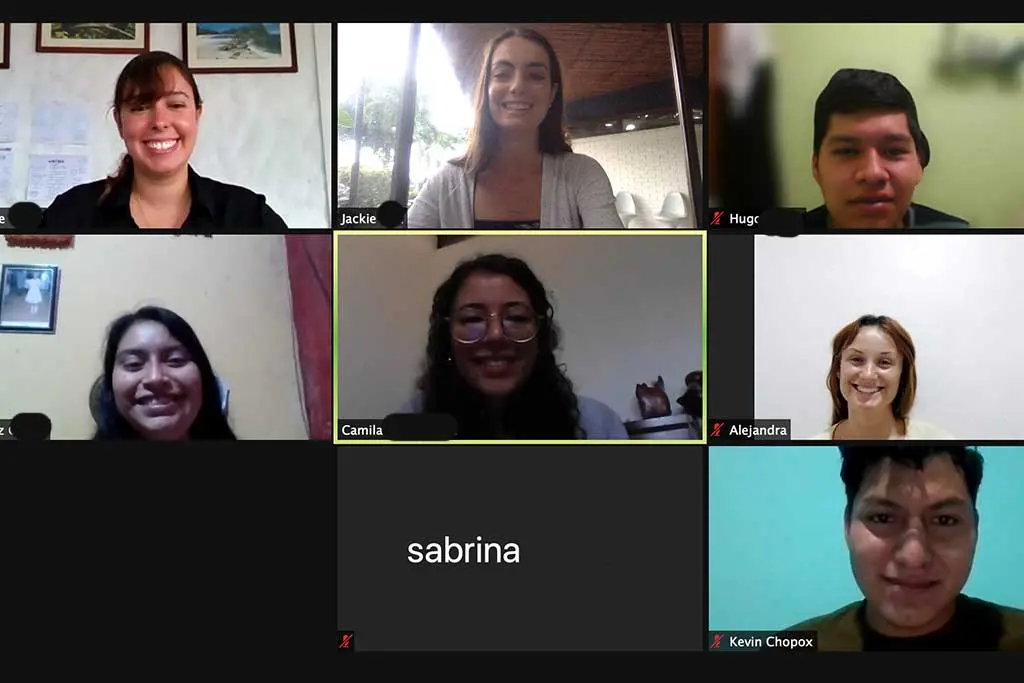
That is why supervised teaching practice is an essential part of quality TEFL training. The issue is not whether online TEFL programs should include a teaching practicum—of course they should! Serious online TEFL courses always include supervised teaching practice with real ESL learners, observation of experienced teachers, and trainer feedback.
Be careful, many TEFL certification programs claim to offer a teaching practicum as part of their course, but participants end up having to find and organize their practicum on their own.
Standards Should Be Judged by Substance
People considering an online TEFL certification program must be intentional, thoughtful consumers: look closely at training hours, curriculum, trainer qualifications, teaching practicum, career support, and the actual organization offering the certificate. Yes, a $125 or a $79 TEFL course should raise questions, but a $1,000+ online TEFL course should raise questions too!
The questions that matter more than the price tag include:
- Do participants receive meaningful support from a qualified, live trainer?
- Are assignments submitted online reviewed by a human trainer?
- Is there an included supervised teaching practicum with real ESL learners?
- Does the TEFL program provider actually operate language schools?
- Does the TEFL provider actually teach ESL, or does it mainly just sell TEFL certificates?
Affordable does not have to mean lightweight.
Affordable can mean efficient.
Affordable can also demonstrate a commitment to quality and value.
Career Support Should Be Practical, Not Decorative
Most people take a TEFL certification course because they want to teach English—online or in a classroom, and in many cases, this means jumping into the international job market.
A strong TEFL course should help new teachers understand hiring markets, prepare a professional resume/CV, know how to contact schools and interview professionally, and think clearly about where in the world they want to teach. TEFL program participants need frank and honest guidance and support, not fantasies promising a beach and a backpack.
A well-run online TEFL program provides strong career and job-search guidance. New teachers need to know what employers look for and how to move from certification into real teaching opportunities—especially if they are looking to teach outside their home country.
What Are You Actually Paying For?
A TEFL certificate should prepare you to teach.
If an online TEFL course costs as much as an in-country TEFL course, participants should ask what extra value they are receiving.
Online TEFL should be more affordable because it is delivered more efficiently. That is one of the main advantages of online education. Participants should not have to pay in-country-level pricing for a course that does not include in-country facilities, onsite staff, classroom space, arrival support, housing, meals, etc.
Online TEFL certification is more price-accessible, because online delivery allows well-designed courses to provide serious training at very competitive prices. Just because it is delivered online does not mean the TEFL provider should cut corners and let the academics, training rigor, and career support suffer.
The question every future English teacher should ask is not, “Is this online TEFL course expensive enough to be good?” They need to ask, “What am I actually getting, and will it prepare me to teach?”
Price matters, but quality and value matter more.

Online TEFL vs. In-Country TEFL
High-quality TEFL certification courses can be delivered online or in-country. The right choice depends on a participant’s goals, budget, timeline, and learning style. Both models can be serious, but regardless of the delivery format, a proper TEFL certification program needs qualified trainers, a true teaching practicum with real ESL learners, and great career support.
The distinction is not “online equals less serious” and “onsite equals real.” An in-country, onsite TEFL course naturally costs more than $1,000, because it delivers a full training-abroad experience. Participants train at an international language institute with local staff, arrival support, accommodations, and meals. Meanwhile, a fully complete, just-as-serious, online TEFL program does not need to cost $1,000. Online TEFL benefits from the efficiencies of virtual teaching and online learning, and those savings should be passed on to participants while maintaining the same commitment to academic quality, supervised teaching practice, and career support.
Maximo Nivel is not just a TEFL certificate website. We operate real ESL institutes in Costa Rica, Guatemala, and Peru. We are experts in the ESL sector, and we can help you teach English anywhere in the world or online. Get in touch with us and speak with a Program Advisor.